Understanding Mold and Its Impacts in West Vancouver
Mold is a pervasive issue in many homes, particularly in regions like West Vancouver, where the climate is characterized by dampness and moisture. This fungus thrives in environments where temperatures and humidity levels are favorable, making it essential for homeowners to understand the nature of mold, its risks, and how to address it effectively. Mold isn't just an aesthetic problem—understanding its implications is critical for maintaining a safe and healthy living environment. When exploring options, Mold Remediation West Vancouver provides comprehensive insights into effective solutions for mold-related challenges.
What is Mold and Why is it a Problem?
Mold is a type of fungus that can grow on various materials, thriving in moist conditions. While some mold species are harmless, others can pose significant health risks and cause structural damage to homes. Mold grows when spores land on damp surfaces, which can occur from leaks, high humidity, or poor ventilation. Understanding the nature of mold and its growth conditions can help homeowners take preemptive measures to prevent infestations.
The Health Risks Associated with Mold Exposure
Exposure to mold can lead to a range of health issues, especially for individuals with respiratory problems, allergies, or weakened immune systems. Common symptoms include:
- Coughing and sneezing
- Skin irritation
- Eye irritation
- Nasal congestion
- Wheezing
In more severe cases, specific types of mold, such as black mold (Stachybotrys chartarum), can lead to serious respiratory illnesses and other health complications. Prolonged exposure to mold can exacerbate these health issues, making it crucial for residents to monitor their living conditions carefully.
How Climate Affects Mold Growth in West Vancouver
The coastal climate of West Vancouver presents an ideal environment for mold growth due to its high humidity levels and significant rainfall. Homes that are not adequately ventilated are particularly susceptible to mold infestations, as moisture accumulates in areas like basements, attics, and bathrooms. Additionally, older buildings often have moisture retention issues due to outdated construction practices, making these properties prime candidates for mold development.
Recognizing the Signs of Mold Infestation
Common Indicators of Mold in Homes
Identifying mold early can prevent extensive damage and health risks. Homeowners should be vigilant for signs of mold, including:
- Visible mold growth on walls, ceilings, and floors
- Musty odors in various areas of the home
- Peeling or bubbling paint and wallpaper
- Water stains indicating moisture problems
How to Perform a Basic Mold Inspection
A basic mold inspection can be conducted by homeowners looking to identify potential infestations:
- Look for visual signs of mold in damp areas.
- Check for any leaks or sources of moisture.
- Use your sense of smell to detect musty odors.
- Inspect hidden areas, like behind appliances and in crawlspaces.
When to Call for Professional Mold Remediation Services
If you notice significant mold growth or health issues related to mold exposure, it's essential to contact professionals who specialize in mold remediation. Additionally, if the mold covers a large area (bigger than 10 square feet), it is advised to seek expert assistance to ensure safe and effective removal.
The Mold Remediation Process: Step-by-Step
Initial Assessment and Moisture Mapping
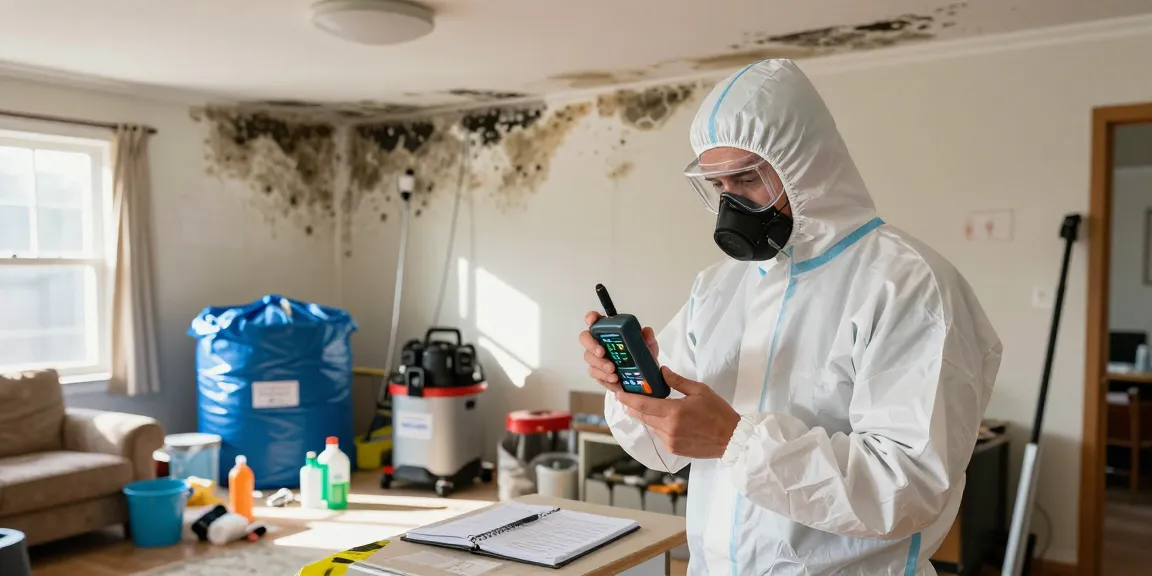
The first step in mold remediation is a thorough assessment of the affected areas. Professionals will carry out moisture mapping to identify sources of moisture and conduct air quality testing to determine the extent of the mold infestation. This process is crucial for developing a targeted remediation plan.
Containment Strategies to Prevent Spread
Once the assessment is complete, containment measures are implemented to prevent mold spores from spreading to unaffected areas. This often includes setting up physical barriers and using negative air pressure to isolate contaminated spaces.
Use of HEPA Filtration and Antifungal Treatments
During the cleanup process, high-efficiency particulate air (HEPA) filtration is employed to capture microscopic mold spores from the air. Antifungal treatments are then applied to eliminate mold colonies, and in some cases, removal of contaminated materials—such as drywall or carpeting—may be necessary.
Cost Factors in Mold Remediation West Vancouver
Breaking Down Average Mold Remediation Costs
The cost of mold remediation can vary widely depending on several factors, including the size of the affected area, the severity of the infestation, and the materials involved. On average, homeowners can expect to pay between $500 and $6,000 for comprehensive mold remediation services in West Vancouver.
Factors Influencing the Cost of Services
Several elements can influence the final cost of mold remediation, including:
- The extent of mold growth
- Access to affected areas
- Labor and equipment required
- Type of mold present
Benefits of Professional vs. DIY Mold Remediation
While some may consider DIY mold removal techniques, hiring professionals ensures a thorough and safe process that minimizes health risks and property damage. Professionals have the knowledge and equipment to address mold effectively, preventing future occurrences.
Future-Proofing Your Home Against Mold
Effective Mold Prevention Techniques
To protect your home from mold, consider implementing the following preventive measures:
- Maintain proper ventilation in all areas of the home.
- Use dehumidifiers in damp areas like basements.
- Regularly inspect and repair water leaks in plumbing, roofs, and windows.
Regular Maintenance: Keeping Mold at Bay
Routine maintenance checks can help catch potential mold issues before they escalate. Regularly clean gutters, check for leaks, and ensure proper drainage around your home to prevent water accumulation.
Emerging Trends in Mold Resistant Products and Solutions
Many new products on the market can help reduce the risk of mold growth. Mold-resistant paints, coatings, and building materials are becoming increasingly popular among homeowners looking to safeguard their properties.
What Should You Do if You Suspect Mold?
If you suspect that mold is present in your home, it’s essential to act quickly. Assess the situation, identify sources of moisture, and contact mold remediation experts to evaluate and address the issue.
How to Choose the Right Mold Remediation Service?
When selecting a mold remediation service, prioritize companies that are certified and experienced in the field. Look for reviews and testimonials from previous clients to ensure the company has a strong reputation for effective and safe services.
How Can You Stay Safe During Mold Remediation?
While mold remediation is underway, it's vital to follow safety guidelines. Avoid entering contaminated areas, wear protective gear if necessary, and follow all instructions provided by the remediation team to ensure a safe process.