Understanding Metal Roofing
As homeowners in the Greater Toronto Area (GTA) increasingly seek robust, long-lasting roofing solutions, metal roofing has emerged as a compelling option. Not only does it combine aesthetic appeal with exceptional durability, but the range of benefits associated with metal roofing is becoming more widely recognized. When exploring options, metal roofing GTA provides comprehensive insights into the advantages and considerations for homeowners looking to make the switch.
What is Metal Roofing and Its Benefits?
Metal roofing refers to roofing systems made from metal materials, primarily aluminum, steel, copper, or zinc. These roofs can come in various styles, from standing seam to shingles, making them versatile for different architectural designs. The benefits of metal roofing are numerous:
- Durability: Metal roofs can withstand extreme weather conditions, including high winds, heavy snowfall, and hail.
- Longevity: With proper maintenance, metal roofs can last 40-70 years, significantly longer than traditional roofing materials.
- Energy Efficiency: Many metal roofs reflect solar radiant heat, reducing cooling costs in hot climates.
- Environmentally Friendly: Metal roofing is often made from recycled materials and is fully recyclable at the end of its life.
Common Misconceptions About Metal Roofing
Despite its advantages, several misconceptions hinder homeowners from considering metal roofing:
- Cost: Many believe metal roofing is significantly more expensive than other materials, but when considering longevity and maintenance costs, it can be cost-effective in the long run.
- Noise: There's a perception that metal roofs are excessively noisy during rain or hail. However, with proper insulation and underlayment, noise levels can be minimized.
- Lightning Risk: Some homeowners worry that metal roofs attract lightning. In reality, metal roofing is no more likely to be struck by lightning than any other roofing material.
Types of Metal Roofing Available in the GTA
The GTA market offers various metal roofing types to suit diverse aesthetic preferences and functional needs:
- Aluminum Roofing: Lightweight, corrosion-resistant, and ideal for coastal areas.
- Steel Roofing: Often used for its strength and affordability, available in galvanized or galvalume finishes.
- Copper Roofing: Known for its beauty and longevity, copper develops a unique patina over time.
- Metal Tiles: Designed to resemble traditional roofing materials like slate or tile, offering the look without the weight.
Why Homeowners in the GTA are Shifting to Metal Roofing
The trend towards metal roofing in the GTA is being driven by a mix of environmental sustainability and practical advantages. As energy costs rise and climate change becomes a pressing concern, homeowners are looking for solutions that not only provide protection but also reduce their environmental footprint.
Durability and Longevity of Metal Roofs
One of the primary reasons homeowners are choosing metal roofs is their exceptional durability. Metal roofs can withstand harsh weather conditions better than traditional asphalt shingles. They are resistant to cracking, shrinking, and erosion, which often plague other materials. Many metal roofs come with warranties ranging from 30 to 50 years, underscoring their longevity.
Cost-Effectiveness Over Time
While the initial investment for metal roofing may be higher compared to asphalt shingles, it is crucial to consider long-term cost benefits. Metal roofs require less frequent replacement and maintenance, which can save homeowners significant amounts over the lifespan of the roof. Moreover, their energy-efficient properties can lead to lower utility bills, further enhancing their cost-effectiveness.
Energy Efficiency and Environmental Impact
Metal roofing is an eco-friendly choice, as it can be made from recycled materials and is 100% recyclable at the end of its life. The reflective properties of metal roofing also help reduce energy consumption by keeping homes cooler in the summer. As energy efficiency becomes a higher priority for homeowners, the shift towards metal roofing aligns perfectly with these goals.
Installation Process for Metal Roofing in the GTA
The installation of metal roofs requires careful planning and skilled craftsmanship to ensure optimal performance and longevity. Understanding the installation process can help homeowners prepare and make informed decisions.
Preparing Your Home for Metal Roofing Installation
Before installation, homeowners should assess the current condition of their roof. If the existing roof is significantly damaged, it may need to be replaced before the metal roofing can be installed. Additionally, securing necessary permits and choosing a reputable installer are critical steps to ensure a smooth installation process.
Steps in the Installation Process
The installation of metal roofing generally follows these key steps:
- Roof Inspection: A thorough evaluation of the existing roof structure to identify issues that need addressing.
- Preparation: Removing the old roofing material, if necessary, and making repairs to the underlying structure.
- Underlayment Installation: Applying a waterproof underlayment to provide an additional layer of protection.
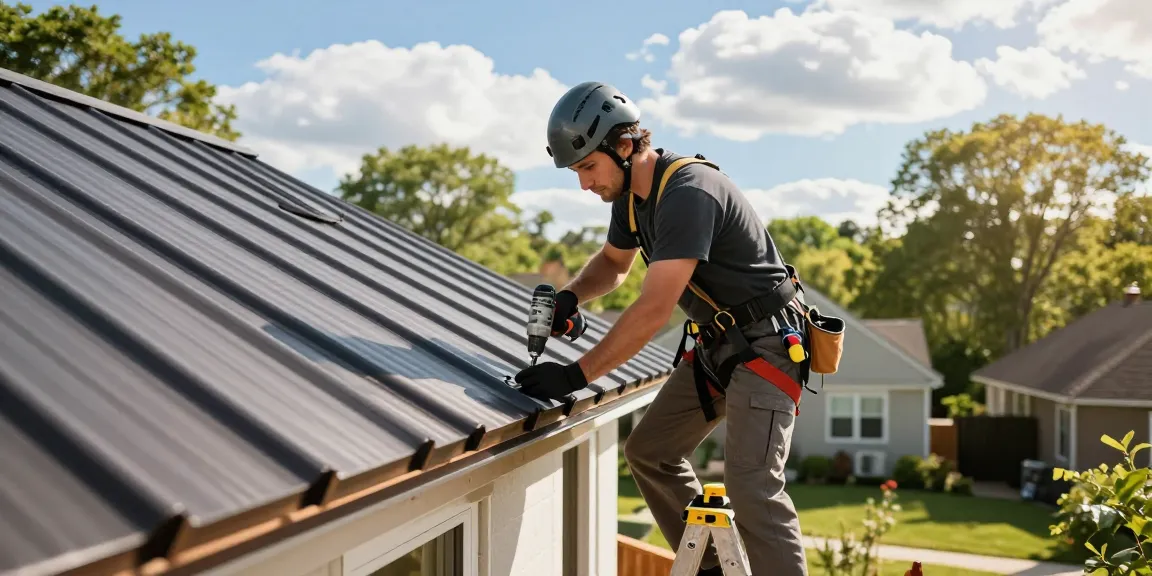
- Metal Panel Installation: Installing the metal panels, ensuring proper alignment and fastening to withstand wind uplift.
- Final Touches: Applying trim and flashing to seal joints and ensure the roof is watertight.
Post-Installation Maintenance Tips
To maintain the integrity and appearance of metal roofs, homeowners should follow these maintenance tips:
- Regularly inspect for debris buildup, leaves, or dirt that can cause water pooling.
- Check for loosened screws or fasteners and tighten them as needed.
- Clean the roof periodically to prevent corrosion and maintain its reflective properties.
Comparing Metal Roofing with Other Options
When considering a roofing system, it's important to compare the advantages and disadvantages of metal roofing against other common materials. Below is a closer look at metal roofing versus two popular alternatives.
Metal vs. Asphalt Shingles: A Cost Analysis
Asphalt shingles are the most commonly used roofing material due to their lower upfront cost. However, they typically last only 15-30 years compared to the 40-70 years of metal roofing. Additionally, the ongoing maintenance costs for asphalt shingles can add up, whereas metal roofs often require minimal upkeep.
Metal vs. Tile Roofing: Pros and Cons
Tile roofs are known for their aesthetic appeal and durability. However, they can be heavy and may require additional structural support. In contrast, metal roofs are lighter and easier to install. While tile roofs can provide excellent insulation, metal roofs also offer energy-efficient options that help reduce overall energy consumption.
Best Practices for Choosing the Right Roofing Material
When selecting the appropriate roofing material, homeowners should consider:
- The local climate and weather patterns.
- Budget constraints, including initial costs and long-term maintenance.
- Aesthetic preferences and architectural style.
- The environmental impact of the materials selected.
Future Trends in Metal Roofing for 2026
The metal roofing industry continues to evolve, driven by advancements in technology and shifting consumer preferences. Homeowners can expect to see innovative solutions and design trends shaping roofing options in the coming years.
Innovative Materials and Technologies
In 2026, homeowners may benefit from advanced materials such as coated metals that enhance durability and appearance. Innovations in reflective coatings can improve energy savings while ensuring that the aesthetic design remains appealing.
Consumer Preferences and Design Trends
As homeowners become more eco-conscious, the demand for sustainable materials and practices will continue to rise. Additionally, the trend towards modern aesthetics is likely to influence the design of metal roofing, with sleek profiles and a variety of color options gaining popularity.
Impact of Local Regulations and Climate on Metal Roofing
As climate change impacts weather patterns, local regulations may evolve to encourage more resilient roofing solutions. Homeowners in the GTA may see a shift toward building codes that favor durable materials like metal roofing, which are better equipped to handle severe weather conditions.
What should I consider when choosing metal roofing?
Factors to consider include your budget, desired aesthetics, local weather conditions, and long-term energy efficiency goals.
How long does metal roofing last?
With proper maintenance, metal roofing can last anywhere from 40 to 70 years, outpacing traditional roofing materials significantly.
Can metal roofing reduce my energy bills?
Yes, metal roofs are highly reflective and help in cooling homes, which can lead to reduced energy costs in warmer months.
What are the maintenance requirements for metal roofs?
Maintenance is minimal but includes regular inspections for debris, ensuring fasteners are secure, and occasional cleaning to prevent corrosion.
Is metal roofing suitable for all home styles?
Yes, metal roofing is available in a variety of styles and colors, making it adaptable to various architectural designs, from modern to traditional homes.